New perspectives
Meet the incoming professors at the Faculty of Science
Meet the incoming professors at the Faculty of Science
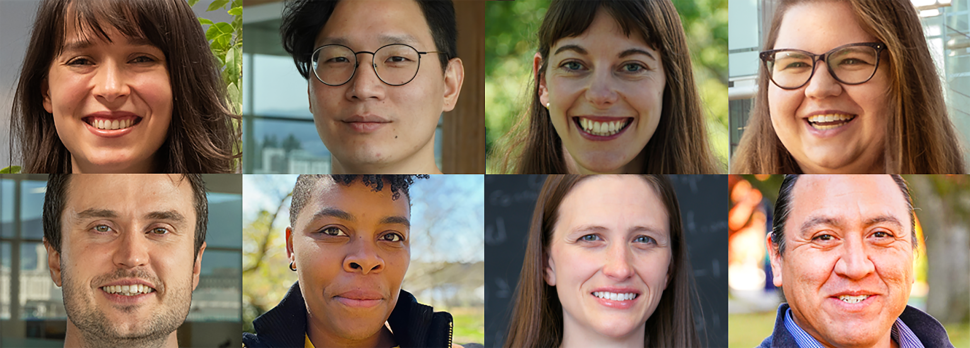
Our incoming professors bring fresh and unique perspectives to campus with their research and teaching experience. Click through to see profiles of the faculty member featured below.
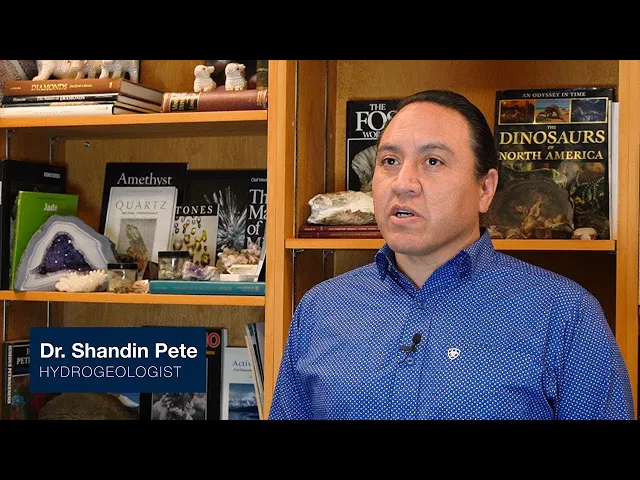
Dr. Shandin Pete is a new assistant professor of teaching at the department of earth, ocean and atmospheric science. His interest lies in Indigenous research methodologies, geoscientific ethnography, Indigenous astronomy, social-political tribal structures, culturally congruent instructional strategies, and Indigenous science philosophies.
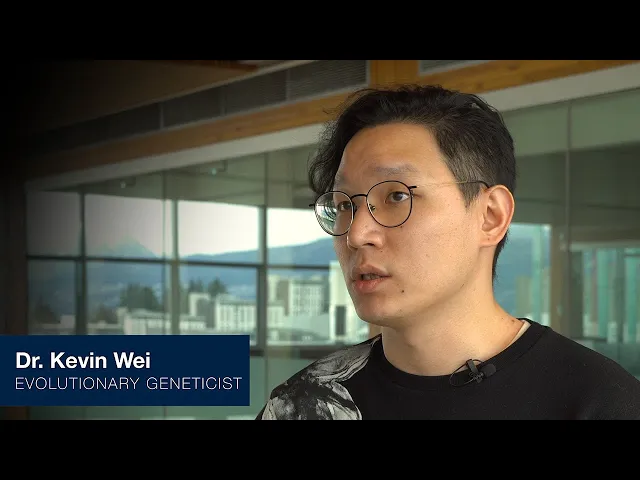
Dr. Kevin Wei is a new assistant professor in zoology. His lab combines genomics, evolutionary, molecular, and developmental biology to understand how selfish genetic elements like transposable elements drive the evolution of genome complexity and regulation of developmental processes.
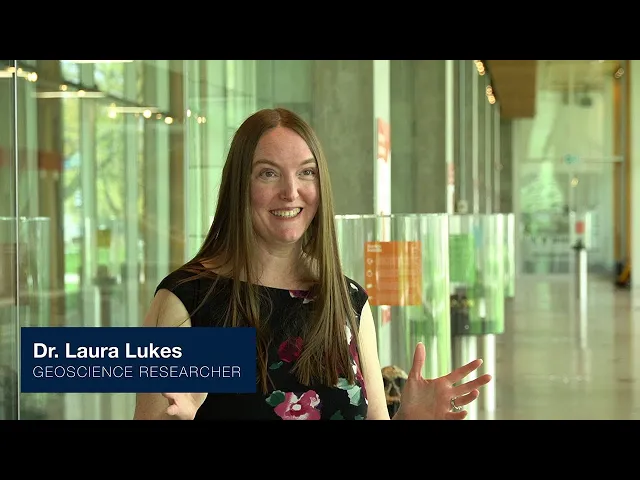
Dr. Laura Lukes's research focuses on the intersection of geology and psychology, and how to better prepare students for field experiences. Dr. Lukes also studies how people learn in museums.
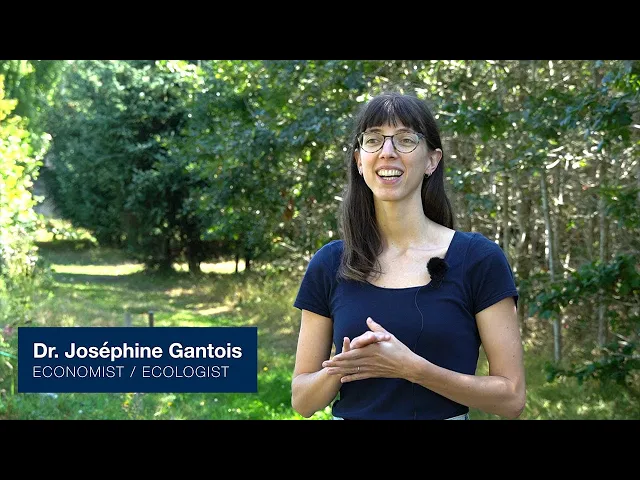
Dr. Joséphine Gantois combines economics and ecology with qualitative research and machine learning to study how we can produce food while reducing our impact on wildlife habitat. She holds a joint position at the Institute for Resources, Environment and Sustainability, and Land and Food Systems on Human Dimensions of Biodiversity Conservation.
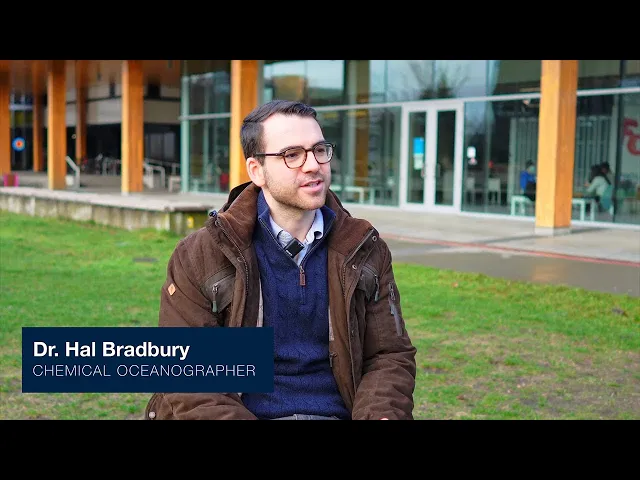
Dr. Hal Bradbury is a chemical oceanographer and a marine isotope biogeochemist. His research looks at carbon cycling in the sediments and how they link to the overlying ocean.

Dr. Selena Sagan is a professor in the department of microbiology and immunology whose research explores how positive-sense RNA viruses—including hepatitis C, dengue and Zika viruses—usurp host cells, replicate their genomes, and cause disease.

Dr. Kayla King's research focuses on host-microbial parasite/pathogen systems, which are fascinating for examining the consequences of strong selection and evolution in the lab and nature. Host-pathogen interactions can drive really fast evolutionary change.

New Department of Statistics prof Dr. Geoff Pleiss brings stats and computer science together to improve the accessibility and reliability of AI. His research opens new avenues for different ways of making data-driven discoveries.

Dr. Amani Hariri is an Assistant Professor in UBC’s Department of Chemistry. Her research aims to find solutions to the most pressing problems in healthcare today—ranging from Alzheimer’s disease, cancer and diabetes—by combining expertise in molecular design and optics to engineer single molecule tools and transformative platforms for monitoring and diagnostics.
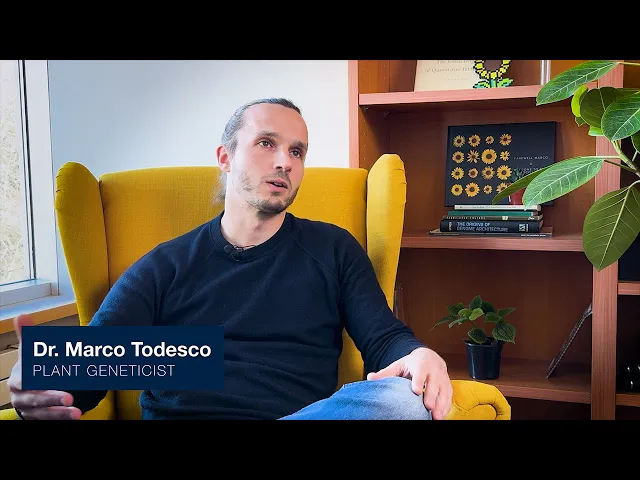
Dr. Marco Todesco's research focuses on understanding how plants adapt to different and changing environments. He aims to link ecological processes (the traits that allow a plant to survive in a certain environment) to genetic variation (the genes and molecular mechanisms that are important for those adaptations) using an ever-expanding mix of molecular and developmental biology, genetics, genomics, physiology, and field studies.
We honour xwməθkwəy̓ əm (Musqueam) on whose ancestral, unceded territory UBC Vancouver is situated. UBC Science is committed to building meaningful relationships with Indigenous peoples so we can advance Reconciliation and ensure traditional ways of knowing enrich our teaching and research.
Learn more: Musqueam First Nation